
ChatGPT Images 2.0 is a hit in India, but not a big winner elsewhere, yet
ChatGPT Images 2.0 launched last week to a curious pattern: India became its largest user base almost overnight, while global adoption remained tepid. Developers and creators in Asia's fastest-growing market are generating avatars, stylized portraits, and fantasy visuals at scale — but the West hasn

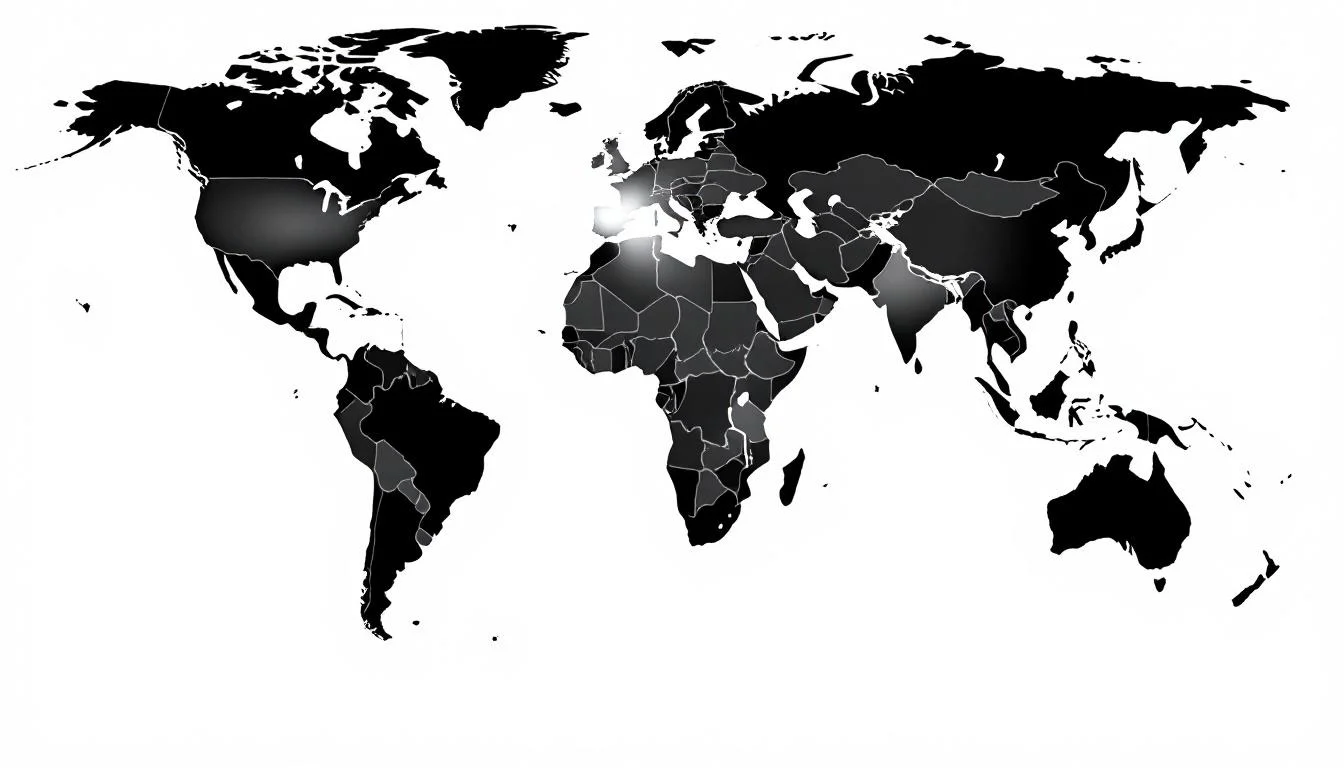
ChatGPT Images 2.0 launched last week to a curious pattern: India became its largest user base almost overnight, while global adoption remained tepid. Developers and creators in Asia's fastest-growing market are generating avatars, stylized portraits, and fantasy visuals at scale — but the West hasn't caught the same fever yet. For Asian developers building AI development tools Asia can actually use, this split tells us something important about how AI features land differently across regions, and what it takes to build products that resonate locally.
According to TechCrunch's analysis, OpenAI confirmed India as the top market for the new image model within days of release. Third-party data from Sensor Tower and Similarweb showed an 11% week-over-week bump in ChatGPT app downloads globally — modest by launch standards — but sharp spikes in India and select emerging markets. The feature handles complex prompts and generates text across multiple languages, which matters when your user base speaks Hindi, Tamil, Bengali, and a dozen other scripts. Western markets saw incremental growth. Asia saw adoption.
What Are AI Development Tools?
AI development tools are platforms, frameworks, and services that let developers build, deploy, and scale software using machine learning models without needing a PhD in computer science. They range from code completion assistants like GitHub Copilot to full-stack platforms that handle everything from natural language processing to image generation APIs. The best tools abstract away the infrastructure complexity — model training, GPU provisioning, API rate limits — so developers can focus on solving actual problems.
The category has exploded since 2023. What started as experimental autocomplete has evolved into platforms that generate entire codebases, design UI components from sketches, and orchestrate multi-model workflows. For Asian developers, the challenge isn't finding AI tools — it's finding ones that understand regional context. A tool trained primarily on English-language GitHub repos will struggle with code comments in Mandarin or variable names in Romanized Thai. Latency matters when your users are in Jakarta, not San Francisco. Pricing models built for Silicon Valley budgets don't work for bootstrapped teams in Bangalore.
This is where the concept of an AI-native dev platform becomes relevant. Instead of bolting AI onto existing workflows, these platforms treat AI as the default interface. Developers describe what they want to build — in natural language, in their own language — and the platform handles the translation to code, infrastructure, and deployment. It's less about replacing developers and more about removing the friction between idea and implementation.
Top Tools for Asian Developers
Asian developers need tools that work with their stack, their budget, and their internet connection. GitHub Copilot remains the most widely adopted code assistant globally, but its $10/month subscription adds up for freelancers in markets where that's two days of groceries. Replit's AI features are popular among students and hobbyists — the free tier is generous, and the collaborative coding environment works well on modest hardware. Cursor, the AI-first code editor, has gained traction among startups that want deeper integration than a plugin can provide.
For image generation specifically — the category ChatGPT Images 2.0 just disrupted — Midjourney and Stable Diffusion have been the go-to tools. Midjourney's Discord-based workflow feels clunky to developers used to API-first services, but the output quality is consistently high. Stable Diffusion runs locally, which matters when you're building a product that can't send user data to external servers. The new ChatGPT model changes the equation by offering comparable quality with better text rendering and multilingual support, all within an interface developers already use daily.
What the India adoption pattern reveals is that features succeed in Asia when they solve local problems, not just replicate Western workflows. Indian developers are using ChatGPT Images 2.0 for avatar generation and stylized portraits because visual identity matters in markets where social media presence directly impacts job prospects and freelance opportunities. A developer in Mumbai building a wedding planning app needs to generate invitation mockups that look authentically Indian — not generic stock photos with a sepia filter. The tool that understands that context wins.
How to Choose the Right Tool
Choosing an AI development tool comes down to three factors: what you're building, how much control you need, and what you're willing to pay. If you're prototyping a chatbot for a local e-commerce site, a managed service with pre-built connectors to Shopify and WhatsApp will get you to market faster than training your own model. If you're building a fintech product that handles sensitive data, you need a platform that lets you run models on-premises or in a private cloud. If you're a solo developer building your first SaaS, you need something with a generous free tier and clear documentation.
Latency is non-negotiable for real-time applications. A code completion tool that takes two seconds to suggest the next line is useless — developers will finish typing before the AI responds. Image generation can tolerate more latency, but not much. ChatGPT Images 2.0's success in India suggests OpenAI has infrastructure close enough to deliver acceptable response times. For developers building their own AI features, this means choosing providers with regional data centers. AWS has multiple availability zones across Asia-Pacific; Google Cloud has strong presence in Singapore and Mumbai. Smaller providers often route everything through US servers, which adds 200-300ms of latency before processing even starts.
Cost structures vary wildly. Some tools charge per API call, others per compute hour, others per seat. For Asian developers, the most sustainable model is usually pay-as-you-grow with predictable unit economics. A platform that charges $0.01 per image generation is easier to budget than one that charges $50/month for unlimited use — because "unlimited" assumes Western usage patterns and fails the moment your app goes viral in Southeast Asia. Read the pricing page carefully. If the provider doesn't list prices for Asia-Pacific regions separately, assume you'll pay more than the advertised rate.
MonstarX Platform Overview
MonstarX is Asia's AI-native development platform, built specifically for the workflows and constraints Asian developers face daily. Instead of treating AI as a feature bolted onto a traditional IDE, MonstarX makes AI the primary interface. Developers describe what they want to build using natural language — in English, Mandarin, Japanese, Korean, or Hindi — and the platform generates the code, sets up the infrastructure, and handles deployment. The approach, which we call vibe coding, removes the friction between idea and implementation.
The platform includes pre-built connectors for the services Asian developers actually use: Alipay and WeChat Pay for payments, LINE and WhatsApp for messaging, Tokopedia and Lazada for e-commerce. Western platforms assume you're integrating with Stripe and Twilio. MonstarX assumes you're building for markets where those services have minimal presence. This matters when you're a solo founder in Bangkok trying to launch an MVP in two weeks — you don't have time to write custom API wrappers for every regional service.
The template library offers starter projects optimized for common Asian use cases: food delivery apps with real-time rider tracking, social commerce platforms with integrated payment flows, edtech tools with offline-first architecture for regions with unstable connectivity. These aren't generic boilerplates — they're production-ready foundations that understand local market dynamics. A developer in Manila can fork the social commerce template, customize the branding, and have a working storefront deployed to Vercel in an afternoon.
Pricing is transparent and scales with usage. The free tier includes enough compute and API calls to build and test a full application. Paid plans start at regional pricing that makes sense for bootstrapped teams — not Silicon Valley budgets. Infrastructure runs on regional cloud providers with data centers across Asia-Pacific, which means sub-100ms latency for users from Tokyo to Jakarta. For developers who need to keep data in-country for compliance reasons, MonstarX supports deployment to private cloud environments without losing access to the AI features.
What the ChatGPT Images 2.0 Pattern Means for Asian Developers
The India-first adoption of ChatGPT Images 2.0 reveals a larger truth about how AI features succeed in Asian markets. Western developers often build AI tools that solve problems they personally experience, then assume those solutions will work globally. Asian developers can't afford that assumption — they're building for markets with different languages, different infrastructure constraints, different user behaviors, and different budgets. A feature that works in San Francisco might fail in Singapore for reasons that have nothing to do with the technology.
Image generation succeeded in India because it solved a problem Indian users actually have: creating visual content that looks authentically local without hiring a designer. The same feature launched in the US as a novelty — something to play with, not something to build on. This pattern repeats across AI categories. Code completion tools succeed when they understand the frameworks and libraries developers in a region actually use. Chatbots succeed when they handle the languages and dialects users actually speak. Infrastructure succeeds when it's priced for the budgets teams actually have.
For developers building AI products in Asia, the lesson is clear: don't just copy what works in the West. Talk to users in your target market. Understand what they're trying to accomplish and what's blocking them. Build tools that solve those specific problems, not generic problems you read about on Hacker News. The opportunity isn't to build "ChatGPT for Asia" — it's to build products that work so well for Asian users that Western companies eventually copy your approach.
Frequently Asked Questions
What is the best AI development tool for beginners?
For beginners in Asia, start with platforms that offer generous free tiers and strong documentation in your language. Replit provides an excellent entry point with its browser-based IDE and built-in AI features — no local setup required. GitHub Copilot works well if you're already comfortable with VS Code or JetBrains IDEs. MonstarX is ideal if you want to build full applications quickly without learning traditional backend development first. The best tool is the one that removes enough complexity that you can focus on learning core concepts rather than fighting configuration issues.
Which AI coding tools work in Asia?
Most major AI coding tools work in Asia, but performance varies based on infrastructure. GitHub Copilot, Cursor, and Replit all function across the region, though response times depend on your proximity to their servers. ChatGPT's code interpreter works globally. MonstarX is specifically optimized for Asian developers with regional data centers and connectors for local services. The key consideration isn't whether a tool works geographically, but whether it understands the frameworks, libraries, and services commonly used in Asian development ecosystems. A tool trained primarily on Western codebases may struggle with regional conventions.
How much do AI dev tools cost?
Pricing ranges from free tiers to enterprise contracts. GitHub Copilot costs $10/month for individuals, $19/month for businesses. Cursor charges $20/month for Pro features. ChatGPT Plus with access to Images 2.0 is $20/month. Replit's AI features are included in the free tier with usage limits, or $20/month for unlimited access. MonstarX offers a free tier for development and testing, with paid plans starting at regional pricing designed for Asian markets. Most platforms offer student discounts or free access for open-source projects. Factor in API costs if you're building AI features into your own product — these can scale quickly with usage.
Is MonstarX available in my country?
MonstarX is available across Asia-Pacific, including India, China, Japan, South Korea, Southeast Asia, and Australia. The platform supports development in multiple languages and includes connectors for regional services across these markets. Infrastructure is deployed to regional data centers to ensure low latency regardless of your location. If you're outside Asia-Pacific, you can still use MonstarX, though some regional connectors may not be relevant to your market. Check the documentation for the current list of supported regions and services. The platform continues expanding coverage based on user demand and regional partnerships.
The divergent response to ChatGPT Images 2.0 between India and Western markets isn't an anomaly — it's a preview of how AI adoption will play out globally. Features succeed when they solve real problems for specific users in specific contexts, not when they're technically impressive in the abstract. Asian developers building AI tools have an advantage: they understand their markets' constraints and opportunities in ways Western companies often miss. The question isn't whether AI will transform development in Asia. It's whether the tools will be built by people who understand what Asian developers actually need.